Bedding · A practical guide
How to Choose a Topper for Your Bedding Setup
A topper can soften a firm bed, add a little cushioning, or give a familiar mattress a different surface feel. The best choice is less about chasing a perfect-sounding material and more about understanding what your bed needs, what your body prefers, and how the extra layer will work with the rest of your bedding.
Start with the job you want it to do
Before comparing materials, pause over the reason a topper is on your mind. Perhaps your mattress feels too firm at the shoulders or hips. Perhaps it has lost some of its original cushioning, but replacing it is not currently an option. Or perhaps you simply want to change the feel of the bed without changing the mattress itself. Naming the problem makes the search more focused—and helps prevent an appealing description from standing in for a genuine solution.
A mattress topper is a separate layer placed on top of a mattress, usually beneath the fitted sheet. It can alter the surface feel, but it does not necessarily change the deeper support of the mattress. A soft layer may make the bed feel more cushioned; it cannot reliably correct a mattress that is sagging, damaged, or no longer supportive. If the sleep surface has a pronounced dip or an uneven foundation, first check the mattress and bed base. Adding a topper over a structural problem may disguise it briefly without resolving it.
Think of the topper as one part of a bedding arrangement rather than a standalone fix. Your mattress, protector, topper, sheets, and bed frame all affect the final feel and fit. The aim is a comfortable, stable surface that works as a whole.
Cushioning, firmness, and surface feel
People often use “softness,” “firmness,” and “support” as though they were interchangeable. They are not. Firmness describes the initial sensation when you lie down; support refers to how the sleep surface holds your body. A topper may change the first impression substantially while leaving the mattress’s underlying support system largely unchanged.
If a mattress feels uncomfortably hard, a topper with some cushioning may reduce the sharpness of pressure at contact points. Side sleepers commonly pay attention to the shoulder and hip area, where body weight meets the surface; back and stomach sleepers may prefer a less yielding feel. These are useful starting points, not rules. Body shape, personal preference, mattress construction, and the way a sleeper moves during the night all influence what feels comfortable.
Consider how much change you actually want. A subtle layer can smooth the surface while keeping the bed’s familiar character. A thicker or more responsive topper may create a more noticeable transformation. If you share a bed, compare preferences together: one person’s welcome softness may feel too yielding to another. When possible, test the feel in a setting where you can lie down for more than a few seconds, and note the conditions of any return or trial arrangement before buying.
It is also worth being realistic about what a topper can accomplish. Persistent discomfort, numbness, or pain may have causes beyond bedding. If symptoms are ongoing or concerning, speak with a qualified health professional rather than relying on a topper as treatment.
Compare materials by their everyday qualities
Topper materials influence the way a layer cushions, responds, and handles warmth. Labels can be evocative, but the practical questions are more useful: Does the material compress slowly or spring back quickly? Is it easy to move? Can it be aired or cleaned according to its care instructions? Does the maker explain its composition clearly?
Memory foam
Memory foam is known for contouring closely to the body, creating a slower, more enveloping sensation. Some sleepers appreciate that close cushioning, particularly when they want to soften a firm surface. Others prefer less sink or more immediate spring-back. Foam products can vary considerably in density, construction, and feel, so a generic description is not a substitute for specific product details. Ask how the material responds to pressure and whether the cover can be removed for care.
Latex
Latex toppers are often described as buoyant or responsive: rather than slowly molding around the body, they tend to push back more promptly. That quality can make repositioning feel easier for some sleepers. Latex can be offered in different firmnesses and constructions, so the name alone does not tell you exactly how a topper will feel. Check the stated material, thickness, cover, and care guidance, and consider any relevant material sensitivities before choosing.
Wool and natural fibers
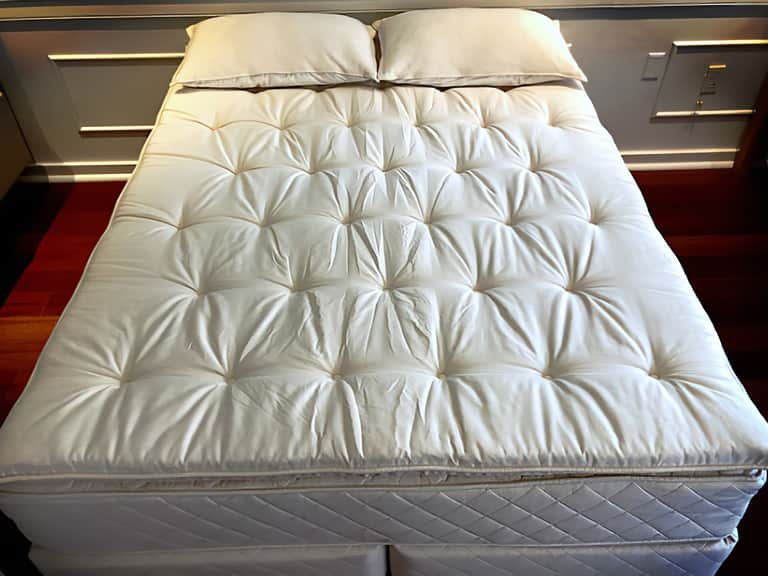
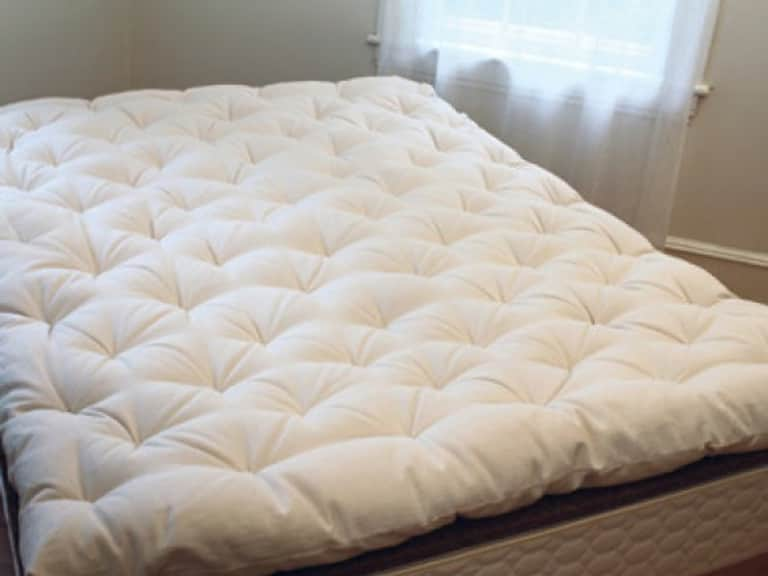
Wool and other natural fibers can provide a softer, more textile-like layer rather than the pronounced contour of foam. Wool is also associated with moisture management and temperature moderation, though individual experience depends on the complete construction and the bedroom environment. Fiber layers may compress differently over time than dense foam. Read the care instructions carefully: some natural-fiber bedding is not machine washable and may require airing, spot care, or professional cleaning.
Cotton and quilted constructions
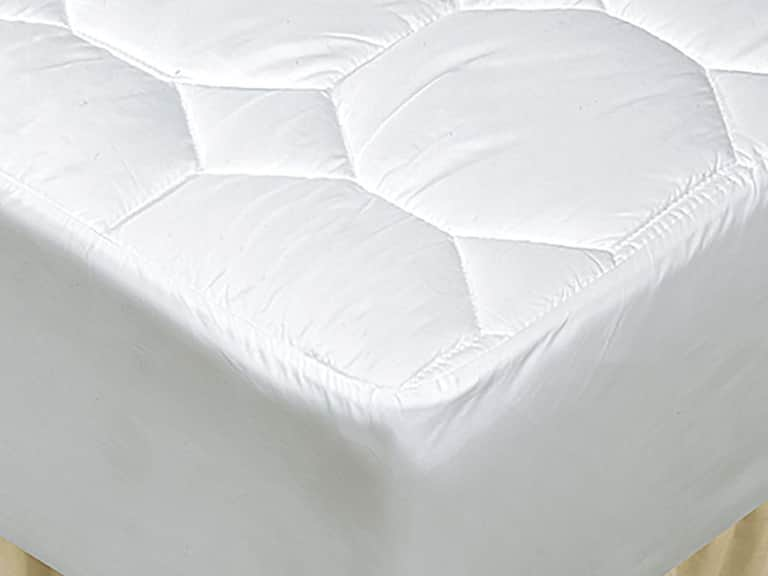
Quilted cotton or blended-fiber layers can add light cushioning and a familiar padded feel. They may be closer in character to a mattress pad than to a thick, shape-changing topper. The distinction matters: pads often emphasize a smooth layer, modest cushioning, and mattress protection, while toppers are generally chosen to alter the sleep surface more noticeably. Product names are not always used consistently, so compare dimensions, fill, construction, and stated purpose rather than relying on the label alone.
No material is universally best. The right comparison is not “natural versus synthetic” or “soft versus firm” in the abstract, but how a particular construction suits your preferences, care routine, room temperature, and existing bed.
Choose thickness with proportion in mind
Thickness affects both the scale of the change and the practical fit of the bed. A relatively thin topper may provide a modest adjustment; a thicker layer can create a more distinct cushion. But thickness alone does not determine comfort. Material density, quilting, resilience, and the firmness beneath it all contribute to the final sensation.
Picture the whole stack: mattress, topper, protector, and sheet. An added layer raises the sleep surface, which may make a fitted sheet pull tight or slip off at the corners. It can also change how a mattress protector fits. Before ordering, measure the mattress depth and review the topper’s dimensions, including any elastic or fitted skirt. Then check the maximum depth specified for your fitted sheets and protector. A beautifully considered layer is less inviting if the bedding cannot stay in place.
Height may matter beyond the linens. A higher bed can affect how easily you get in and out, how the mattress sits within a frame, and the visual proportions of the room. If the bed has a headboard, rails, or an adjustable base, check compatibility rather than assuming every topper will work with every setup.
Think about warmth, airflow, and the bedroom climate
Temperature is often discussed as if a single material determines whether a sleeper feels warm or cool. In practice, the sleep climate is shaped by several layers: the topper’s construction, mattress, sheets, duvet, nightwear, room temperature, and individual comfort. A topper that feels pleasantly cozy to one person may feel too warm to another.
If you tend to feel warm, look for clear information about construction and airflow, and consider whether a dense, close-contouring layer is likely to suit your preferences. A breathable cover and lighter bedding may be useful parts of the overall arrangement. If you prefer a snug, cocooning surface, a more embracing material may feel appealing—but remember that texture and warmth are personal, and online descriptions cannot fully reproduce the sensation of lying on a bed.
Wool and some natural-fiber constructions are often chosen for moisture management and temperature moderation, while foam designs can differ widely in how they handle heat. These are tendencies, not guarantees. Seek product-specific details rather than treating broad material claims as promises about your own sleep experience.
Fit is a comfort feature
A topper that shifts, bunches, or curls at the edges can interrupt the calm, finished feel you hoped to create. Check whether it has corner straps, an elastic skirt, or another method of staying in position. Confirm that the size matches your mattress—not just the familiar name of the size—and pay attention to unusual dimensions, split beds, and mattresses with rounded corners.
Also think about how your fitted sheet will go over the new surface. Some toppers are designed to sit beneath a standard sheet; others add enough height that deeper-pocket bedding may be needed. If you use a separate mattress protector, verify whether it should go over the topper or directly on the mattress according to the maker’s instructions. Layer order can affect fit, protection, and how the surface feels.
For an adjustable bed, confirm that the topper is compatible with the frame’s movement. A layer that is too heavy, too rigid, or poorly secured may not bend and settle comfortably as the base changes position.
Care, durability, and the details worth reading
A topper is used night after night, so its care requirements deserve the same attention as its first impression. Find out whether the cover is removable, whether the entire layer can be washed, and what cleaning methods are permitted. Do not assume that a zippered cover means the core can be washed, or that “easy care” means machine washable. Follow the manufacturer’s care instructions to avoid damage.
Consider where the topper will be stored if you rotate it, air it, or remove it seasonally. Some materials are bulky or heavy; others may not be suitable for folding or rolling for long periods. Ask about expected compression and how the product should be unpacked or maintained. These practical questions can matter as much as the material’s name.
Before purchase, review the return window, trial conditions, shipping arrangements, and warranty language. Confirm whether opened bedding can be returned, whether fees apply, and what the warranty does—and does not—cover. Warranty terms typically concern specified product defects, not every change in personal preference or comfort. Clear answers make for a more informed decision.
A thoughtful way to evaluate your options
Instead of searching for a universally “best” topper, build a short list around your actual bed and routines. Start with the mattress size, depth, condition, and feel. Then write down the main change you want: more cushioning, a more responsive surface, a lighter textile layer, or a different temperature experience. That simple brief can help you compare like with like.
- Measure the mattress and check the depth of your fitted sheets and protector.
- Decide whether you want a subtle adjustment or a more pronounced change in surface feel.
- Compare material, thickness, construction, and care instructions—not just marketing language.
- Consider how the topper may affect warmth, movement, and the height of the bed.
- Check how the layer stays in place and whether it is compatible with your frame.
- Read trial, return, and warranty terms before making a final decision.
If you can test a topper in person, lie in your usual sleeping positions and give your body time to settle. If you are evaluating one at home, allow for the maker’s recommended setup period and use the same pillow and bedding you normally use. Keep notes about pressure, warmth, ease of turning, and whether the sheets remain secure. A few considered observations are more valuable than a first impression made while standing beside the bed.
Common mistakes to avoid
The most frequent misstep is expecting a topper to rescue a mattress that has reached the end of its useful life. Another is choosing by thickness alone, without considering density, responsiveness, or the support underneath. Some shoppers also overlook fitted-sheet depth, care requirements, or the added height of the bed until after the topper arrives.
Be cautious with absolute claims about cooler sleep, perfect alignment, or suitability for every sleeper. Comfort is individual, and no single layer can guarantee a particular outcome. If you have an allergy or sensitivity, review the full material and cover information and consult an appropriate professional when needed. If a seller cannot explain what is inside the product or how it should be cared for, that uncertainty is worth taking seriously.
The finishing layer, chosen with intention
The best topper is not necessarily the thickest, most luxurious-sounding, or most talked-about. It is the layer that answers a specific need while fitting naturally into the bed you already have. Material shapes the feel; thickness influences the scale of the change; fit and care determine whether the choice remains practical once the first night is over.
Give equal attention to comfort and logistics. A topper should feel right beneath you, sit securely beneath your sheets, suit the climate of your bedroom, and be manageable to care for. When those details align, the result can be a more considered bedding setup: not a dramatic reinvention, but a quiet adjustment that makes the bed feel more distinctly your own.