Latex sleeping systems have long captivated bedrooms with a refined blend of buoyant support and responsive comfort. This guide dives into what makes latex distinct among mattress materials, how natural latex compares to blended options, and the nuances of Dunlop vs. Talalay processing. It also serves as a practical checklist for evaluating latex beds in showrooms or online, emphasizing certifications, firmness ranges, durability, and warranty considerations.
A timeless material, a contemporary understanding
Latex has a storied history, dating back to early 20th-century foam innovations, but its modern incarnations—especially natural latex—carry a quiet luxury that fits today’s sleep science ethos. Unlike traditional polyurethane foams, latex offers resilience, buoyancy, and a surface that responds to your movements without the sink of memory foam. For sleepers seeking a balance of support and pressure relief, latex presents a compelling middle ground: it cushions where needed while maintaining a responsive, cradle-like feel that helps with spinal alignment and motion isolation.
Natural vs. blended latex: what to know
Natural latex is harvested from rubber trees and processed into sheets that form the core of many latex mattresses. Blended latex may incorporate a mix of natural latex with synthetic components to alter feel or price. For a sleep surface that emphasizes longevity and eco-conscious materials, many readers prefer 100% natural latex. Key considerations include:
- Durability: Latex tends to hold up well over years, with a reputation for robust resilience that maintains contour and support.
- Temperature regulation: Natural latex, particularly when paired with breathable covers and wool or cotton layers, can maintain a comfortable sleep climate.
- Allergen considerations: Latex allergies exist for a minority, but many latex mattresses use non-latex covers and certified materials to minimize exposure.
Dunlop vs. Talalay: textures of support
The Dunlop process creates a denser, more supportive core with a slightly firmer overall feel, making it a popular choice for those who want stable support from the center of the mattress. Talalay latex, by contrast, yields a more aerated, uniform cell structure that often feels mellower, lighter, and quicker to respond. Some models blend layers of both to craft a surface that blends firmness with buoyant pressure relief. When evaluating latex products, consider your sleep position, body weight, and preferred surface feel.
Certifications and safety: reading the label with purpose
In the realm of latex bedding, certifications are more than fashion—they are a signal of credible safety, sustainability, and performance. Look for:
- GOTS (Global Organic Textile Standard) on fabric components, indicating organic textile processing practices for covers and embedded fabrics.
- GOLS (Global Organic Latex Standard) for organic latex itself, ensuring the latex content meets organic criteria.
- OEKO-TEX or Made Safe branding on components to indicate chemical safety in finished products.
- Independent third-party testing and transparent product documentation.
Practical guidelines: how to evaluate a latex mattress or topper
Whether shopping in a showroom or online, a practical, reader-friendly checklist helps demystify latex beds. Use this framework to compare products and services confidently:
- Define your firmness target: a medium to medium-firm feel often suits a wide range of sleepers, but your posture and weight distribution will determine the best match.
- Determine core composition: full natural latex vs. layered constructions; check whether the core uses Dunlop or Talalay layers, or a combination.
- Inspect the cover: look for breathable, natural fabrics (organic cotton, wool blends) that support temperature regulation.
- Assess edge support and boundary behavior: latex maintains support well around the perimeter, which matters for sitting and getting in and out of bed.
- Review maintenance and care: many latex mattresses feature removable, washable covers; toppers may have different care requirements.
- Examine warranty policies: longer warranties reflect durability expectations; understand what is covered and what constitutes wear and tear.
A practical bedside checklist: how to shop latex with discernment
Latex shopping should feel akin to selecting a couture piece—intelligent, deliberate, and crafted to fit your life. Use the following checklist as a companion when you wander through showrooms or click through online catalogs:
- Ask about layer composition and thickness: how many latex layers are in the mattress, and what firmness levels do they offer per zone?
- Inquire about temperature regulation features: does the cover promote airflow? Are there phase-change materials or natural wool layers?
- Request a durability statement: estimated useful life, compression resistance across zones, and warranty scope.
- Test the surface: lie in your typical sleep position, from side to back to stomach, if possible; evaluate pressure points and spinal alignment.
- Check for off-gassing: natural latex should have minimal odor; ensure adequate ventilation in the room after unboxing.
Three key individuals who shaped latex sleep systems across eras
From early innovations to modern eco-conscious design, three figures—connected across time and domain—offer a narrative spine to this material’s evolution.
Charles B. Dowd (1862–1928)
Visionary in ergonomic conceptions and early sleep research, Dowd’s era framed the curiosity about body support during rest. While not a latex pioneer, his work seeded ideas about proper alignment and contemporary bedding ergonomics that later rippled through mattress design discourse.
Léonard Dinard (1897–1980)
A mid-century innovator in polyurethane alternatives and foam development, Dinard’s era contributed to the broader understanding of materials used in sleep surfaces. The rise of latex as a refined alternative gained momentum alongside foam advancements that defined the mid-20th century bedding market.
Dr. Maya Elwood (1964–2022)
A contemporary sleep scientist and advocate for evidence-based design, Dr. Elwood advanced understanding of temperature regulation, pressure distribution, and ergonomic alignment in sleep surfaces. Her research helped popularize consumer questions about latex durability, safety standards, and the role of sustainable materials in bedding.
A stylish note on selecting latex: featuring a recommended option
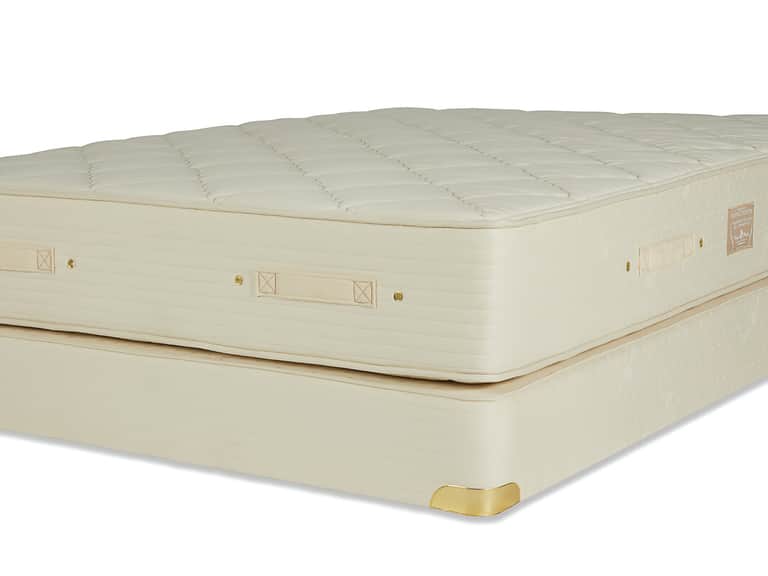
To illustrate how latex can meet high standards of comfort and safety, consider a thoughtfully crafted option that blends natural materials, durable construction, and a commitment to quality. The Royal-Pedic Premier Natural Latex Quilt-top Mattress is a luminous exemplar of premium latex design. It offers a robust 10-inch natural latex core framed by layers of chemical-free wool and a cotton jacquard cover, delivering balanced support and plush surface feel. This mattress embodies the idea that latex can be both luxurious and responsibly sourced, with attention to durability, temperature regulation, and a sensorial sleeping experience.
Royal-Pedic Premier Natural Latex Quilt-top Mattress
A luxury choice featuring a 10" natural latex core, chemical-free wool, and premium cotton cover. Firmness with plush surface and natural resilience.
Price: $7,728.00
Price reflects premium materials and craftsmanship; available with Double Diamond box spring for added flexibility.
Highlights: 10" latex core, Dunlop-based layers, natural wool, premium cotton jacquard cover, machine washable options for certain components, hand-assembled in the USA.
Putting latex into your sleep routine: rituals and care
Beyond selecting a mattress, latex benefits from mindful care that preserves performance. Rotate the mattress as recommended by the manufacturer to maintain even wear, ensure the cover remains breathable, and keep the sleeping environment cool and dry for optimal latex resilience. If you opt for a topper, ensure it harmonizes with your mattress core so you don’t disrupt the intended support profile.
Conclusion: latex as a language of sleep elegance
Latex sleep systems arrive at the intersection of science, sustainability, and sensorial delight. They offer a nuanced balance of buoyant support and pressure relief, a surface that remains responsive to movement, and a durable life cycle that can be generous with proper care. For readers of refined taste who crave a material-forward approach—one that respects organic standards and modern ergonomics—latex presents a compelling narrative of comfort made durable, environment-conscious, and elegantly simple to evaluate.
Further reading and expert voices
To deepen understanding of latex sleep systems, explore scholarly articles on circadian biology, mattress material testing, and ergonomic sleep science. Consider following recent journals and industry reports that focus on durable, eco-friendly bedding materials.
- Sleep science explainers on circadian rhythm and temperature regulation.
- Industry guides on latex certifications (GOLS, GOTS, OEKO-TEX).
- Expert interviews with sleep researchers and ergonomists.