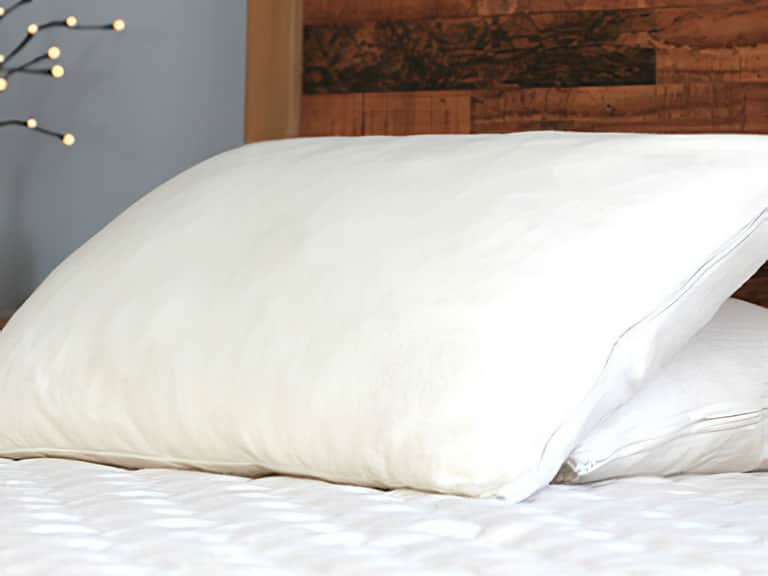
Pillows support the head and neck while contributing to comfort and alignment during sleep. Their feel and support depend on materials, shape, loft, and firmness, so choosing a pillow suited to sleeping position and personal needs can be important. As part of bedding, pillows are commonly paired with sheets and mattresses.
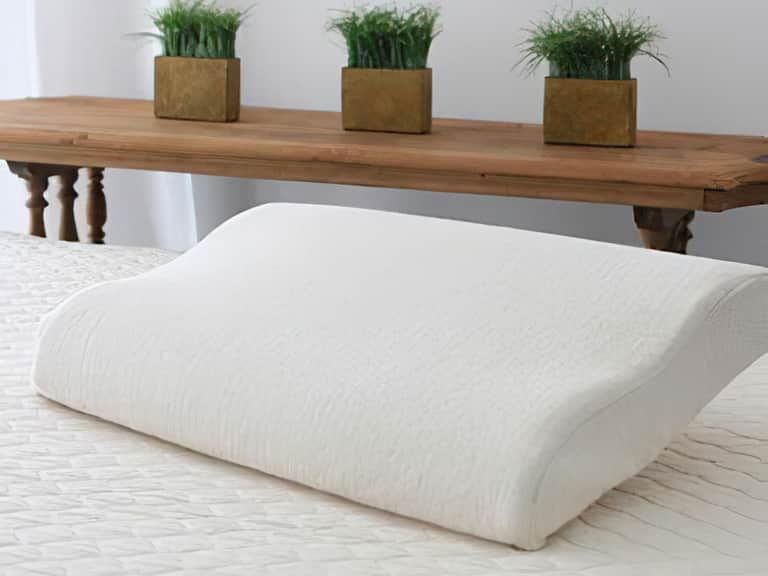
The Savvy Rest Organic Latex Contour Pillow features shaped latex designed to cradle the head and support the neck. Its contoured profile offers distinct areas for resting the head and maintaining neck alignment, which may be useful for people who prefer a supportive shape. Latex construction also provides a resilient feel rather than a loose, compressible fill.
A Down Pillow uses soft down fill to create a pliable, cushioning surface. Its compressible construction allows the pillow to be adjusted by shaping or fluffing, making it suitable for sleepers who value a softer feel. Loft and support can vary with fill amount and pillow design, so these characteristics are relevant when considering comfort.
When comparing pillows, consider sleeping position, shoulder width, mattress firmness, and preferred loft. Side sleepers often need more height to fill the space between the shoulder and head, while back sleepers may prefer moderate support. Pillow materials and construction also affect breathability, resilience, maintenance, and how readily the pillow conforms to the sleeper.
Pillows are one element of a sleep setup that may include bedding, sheets, and organic mattresses or organic crib mattresses. For children and adults alike, product dimensions, materials, care instructions, and intended use help clarify suitability. Reviewing these details alongside support and comfort preferences can make pillow characteristics easier to understand and compare.
 Bedding